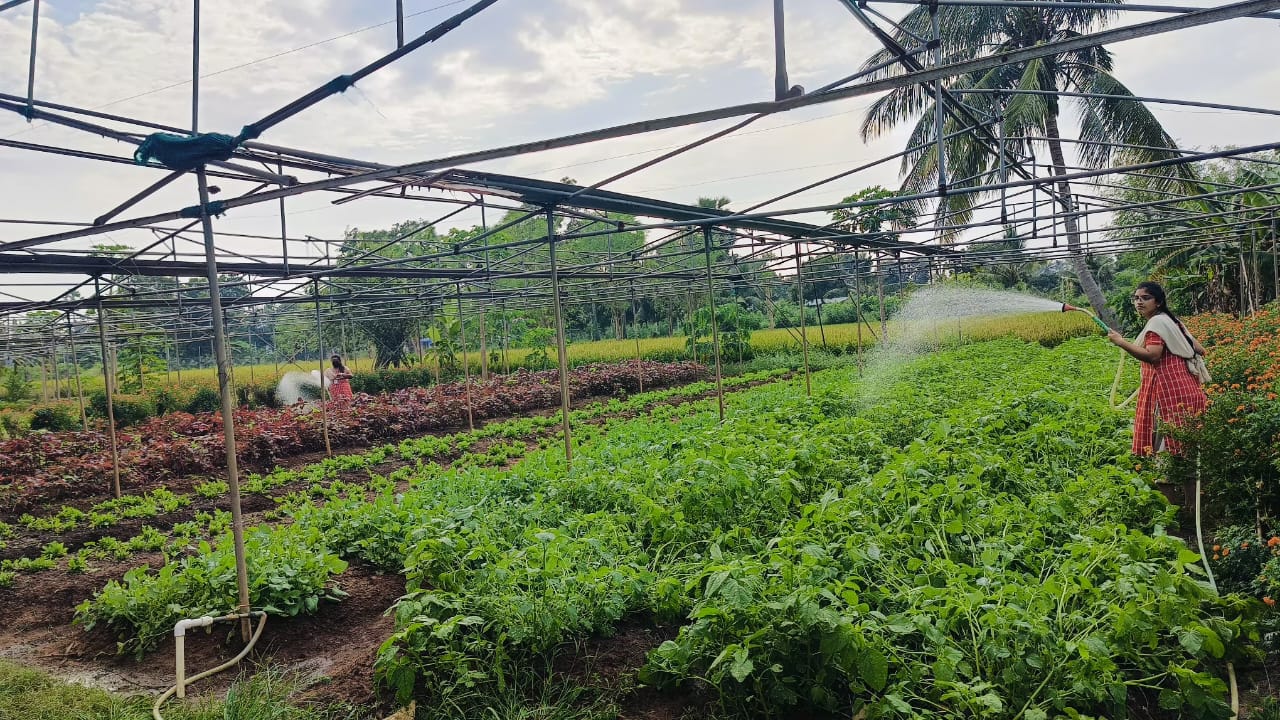
Organic farming is a scientifically designed agricultural system that relies on natural processes and biological inputs for crop production while avoiding the use of synthetic chemicals and genetically modified organisms. The concept of organic farming is deeply rooted in the principles of ecological balance, sustainability, and conservation of natural resources. It aims to create a self-sustaining agricultural ecosystem in which soil, plants, animals, and microorganisms interact harmoniously.
Objectives
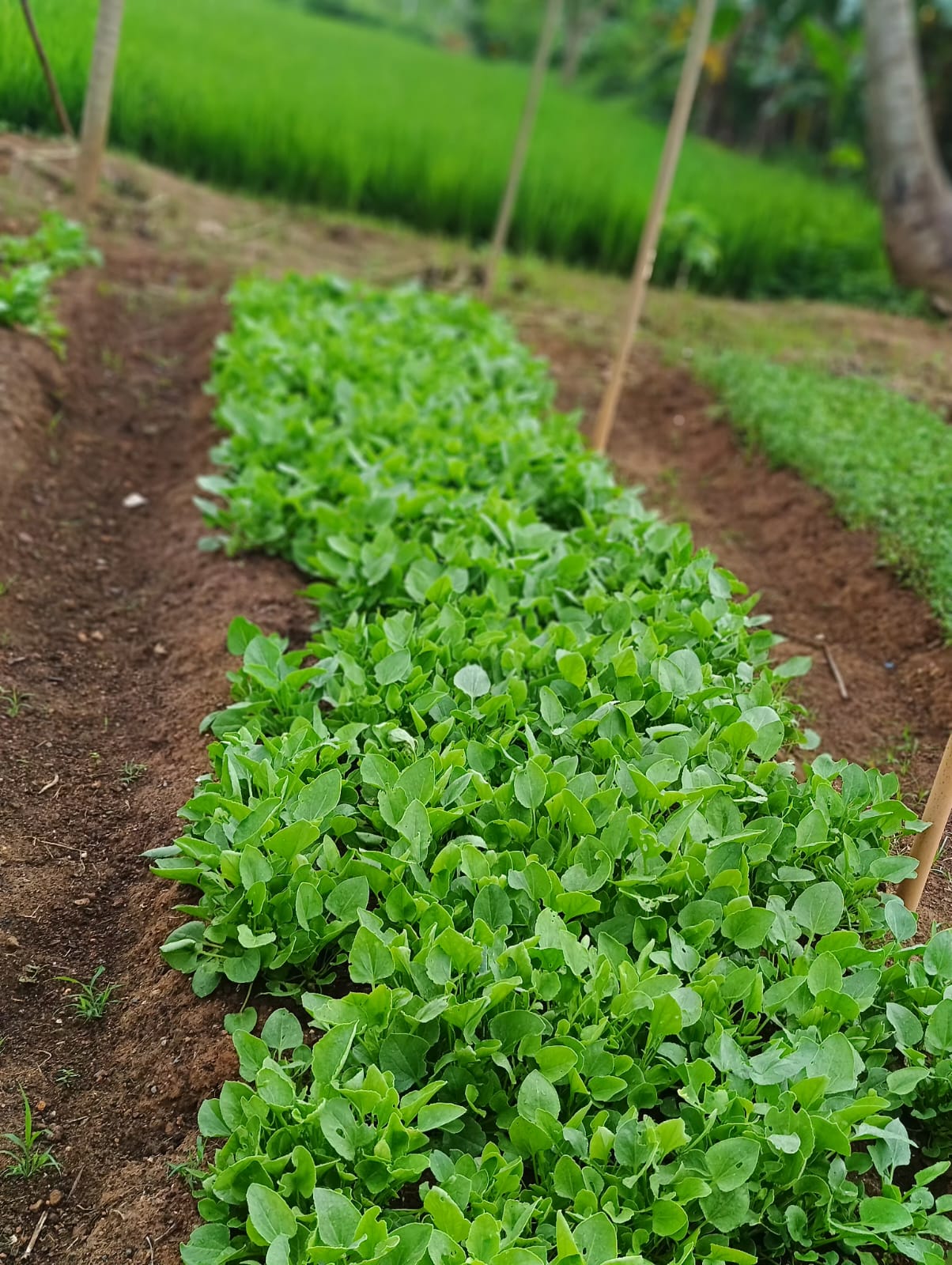
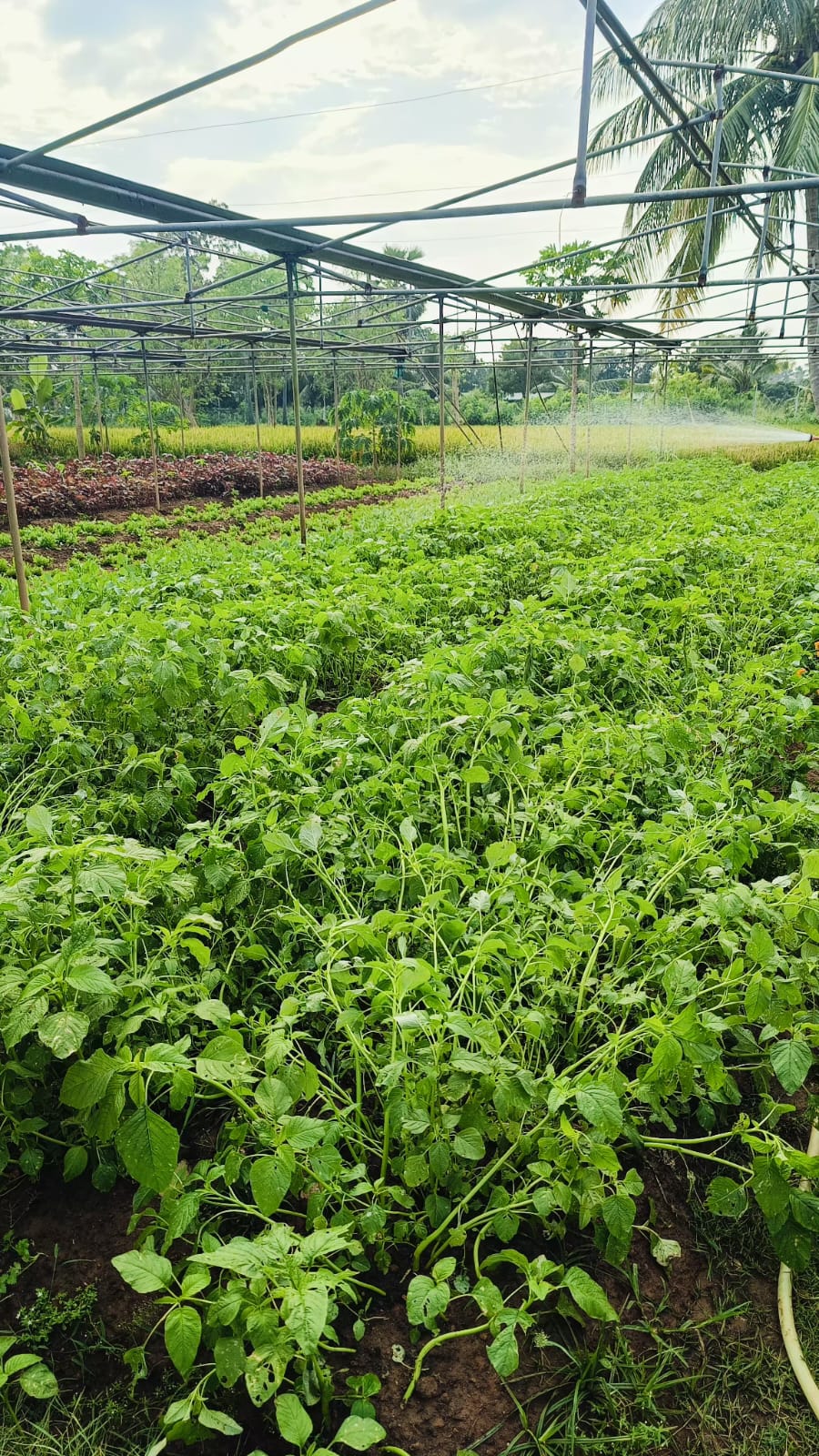
- To develop a highly sustainable and eco-friendly organic farming matrix that reliably produces high-quality vegetables without synthetic inputs.
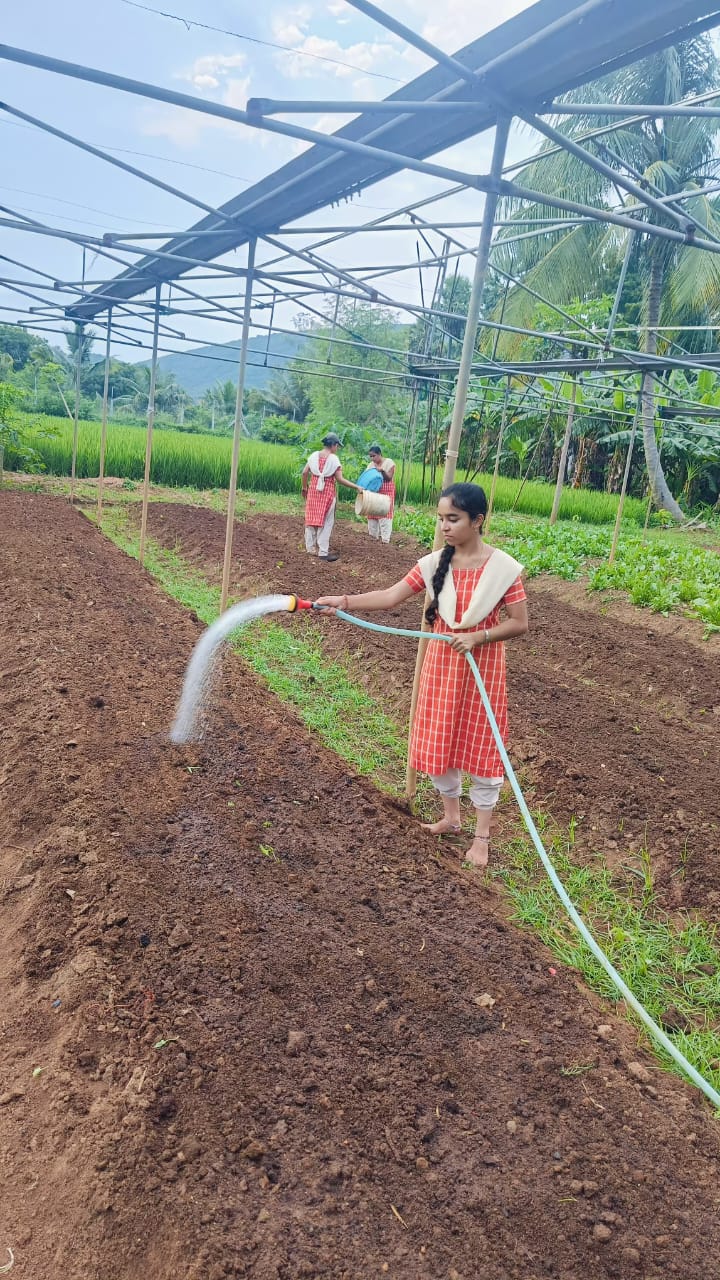
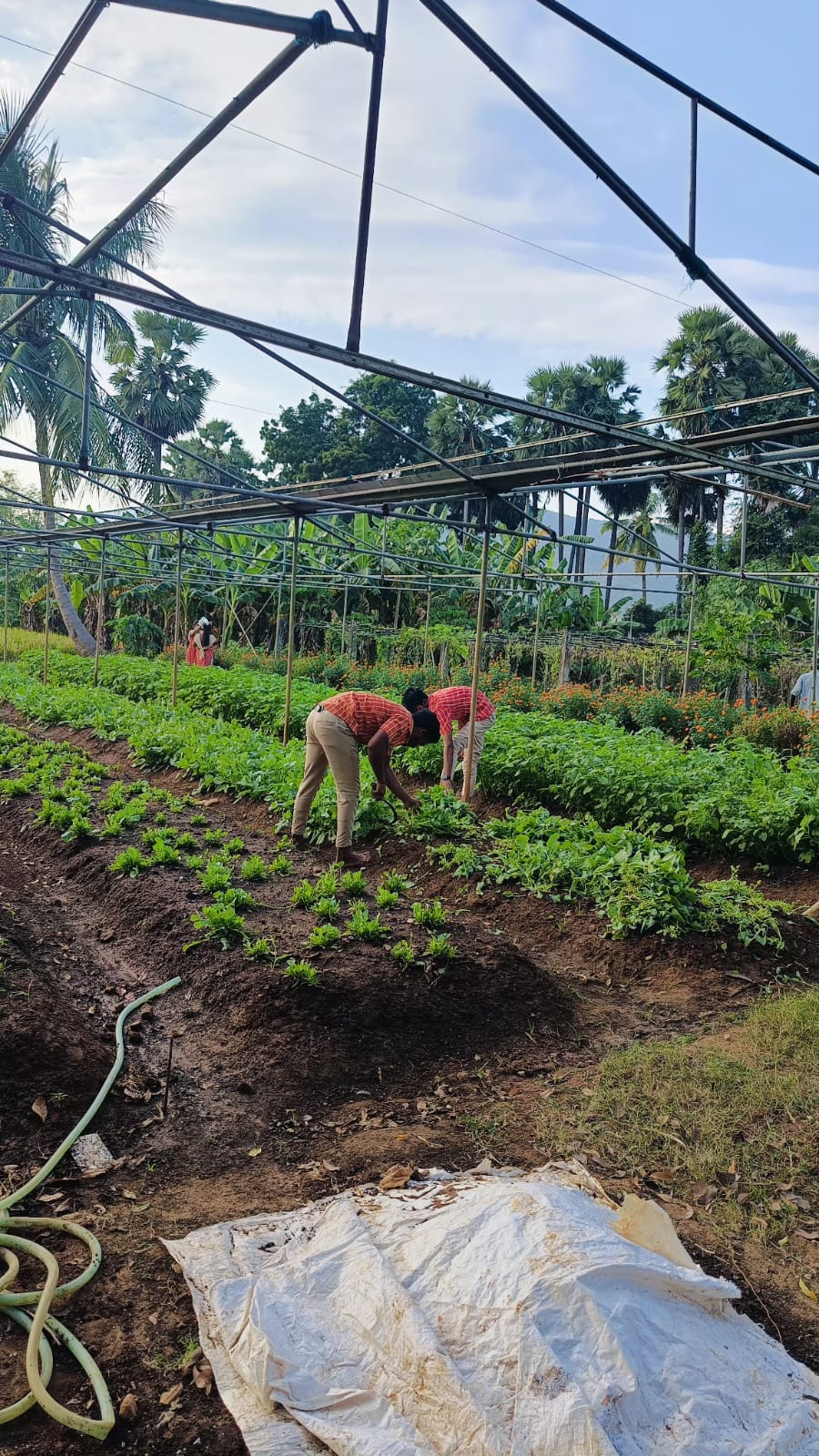
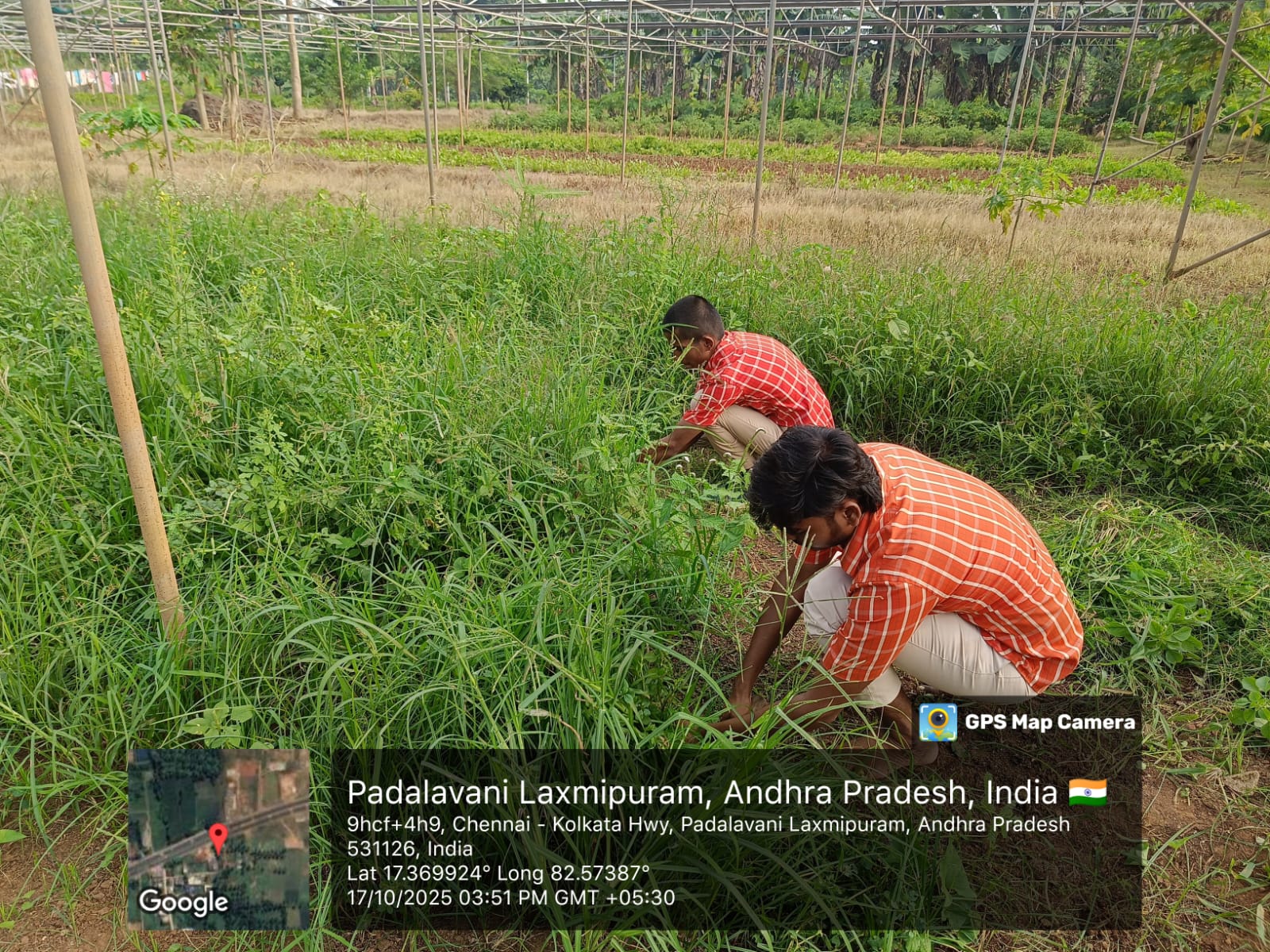
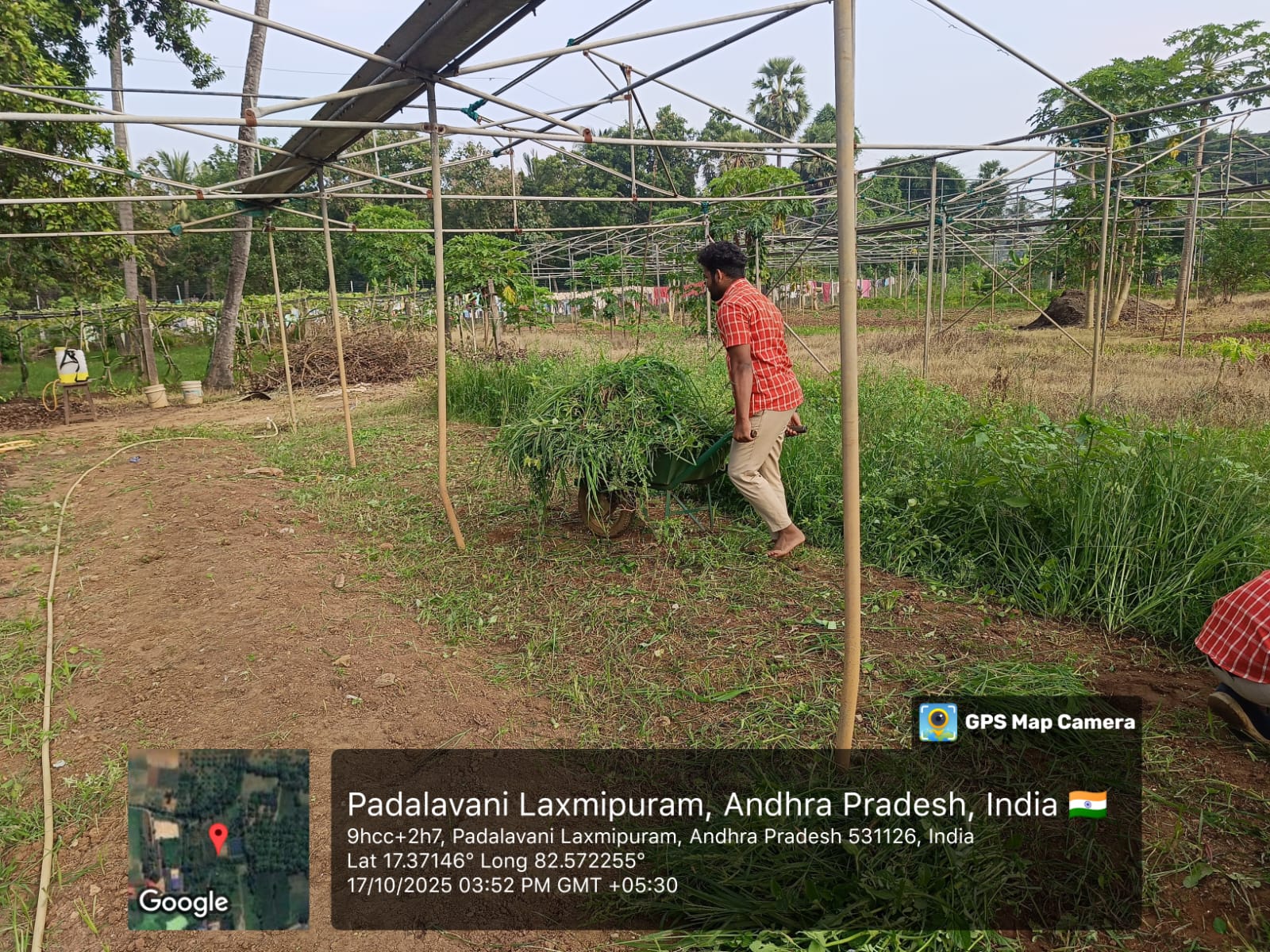
- To provide structural, practical field training in core areas including raised bed engineering, composting, irrigation, and biofertilizer applications.
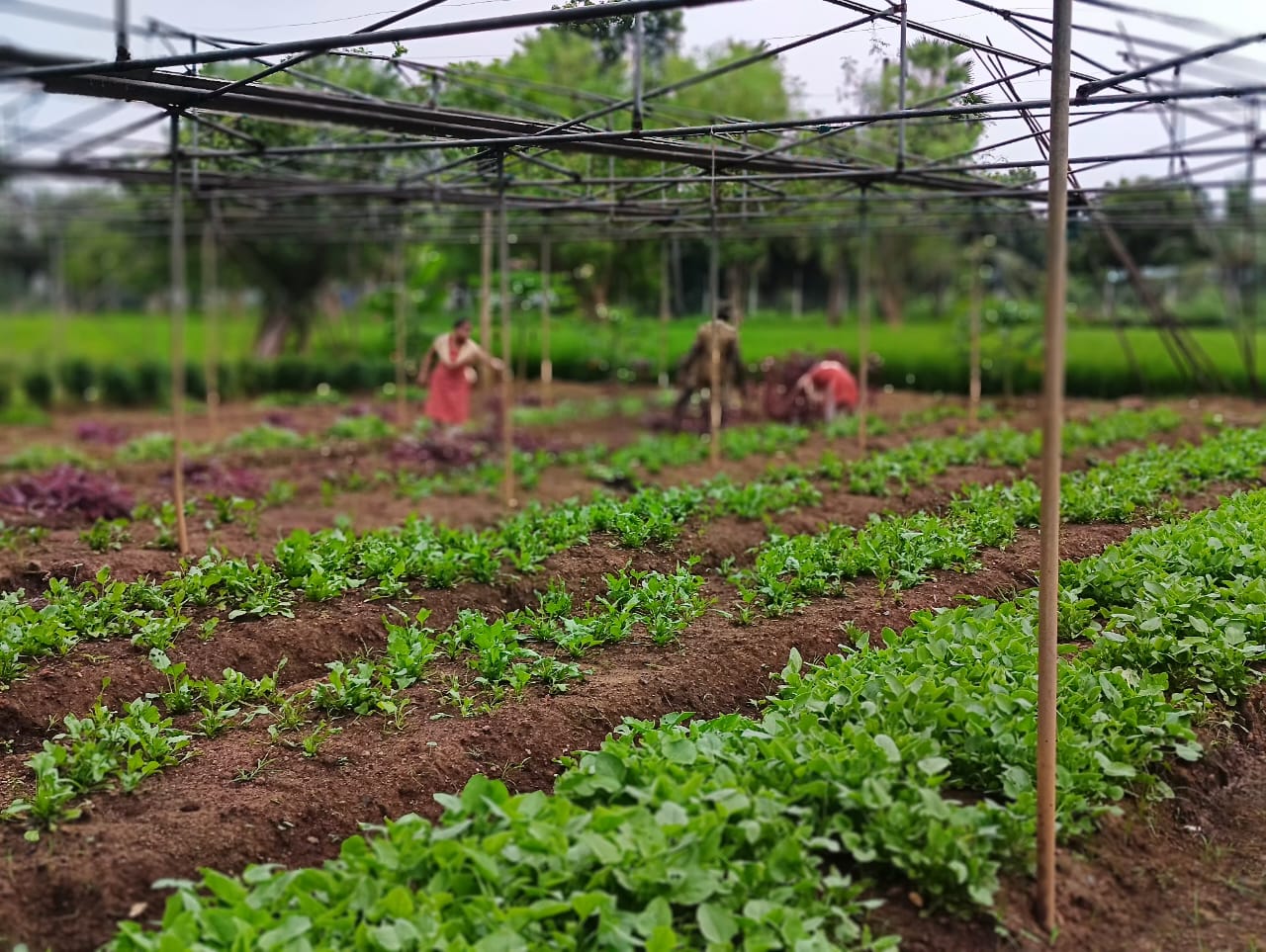
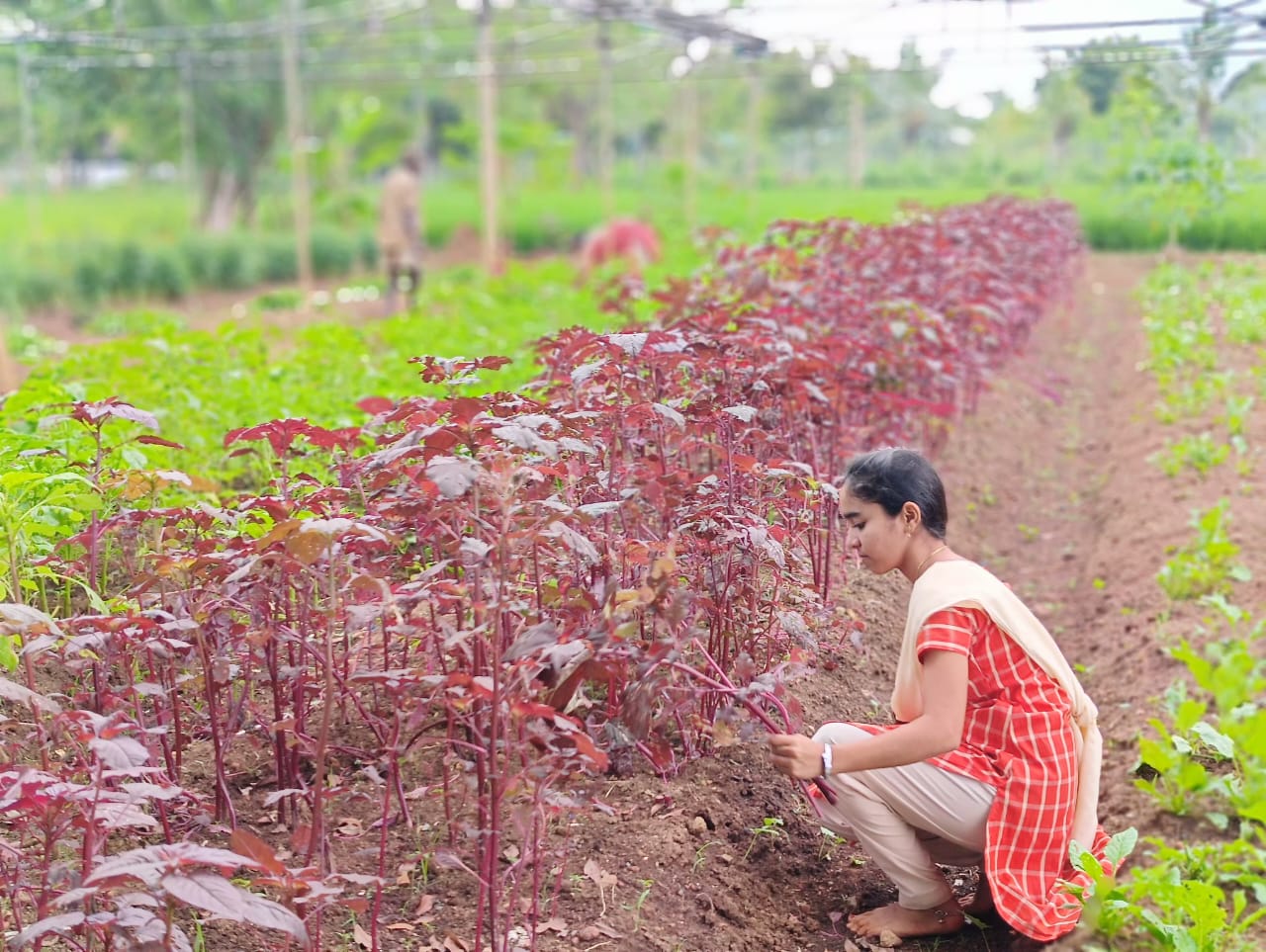
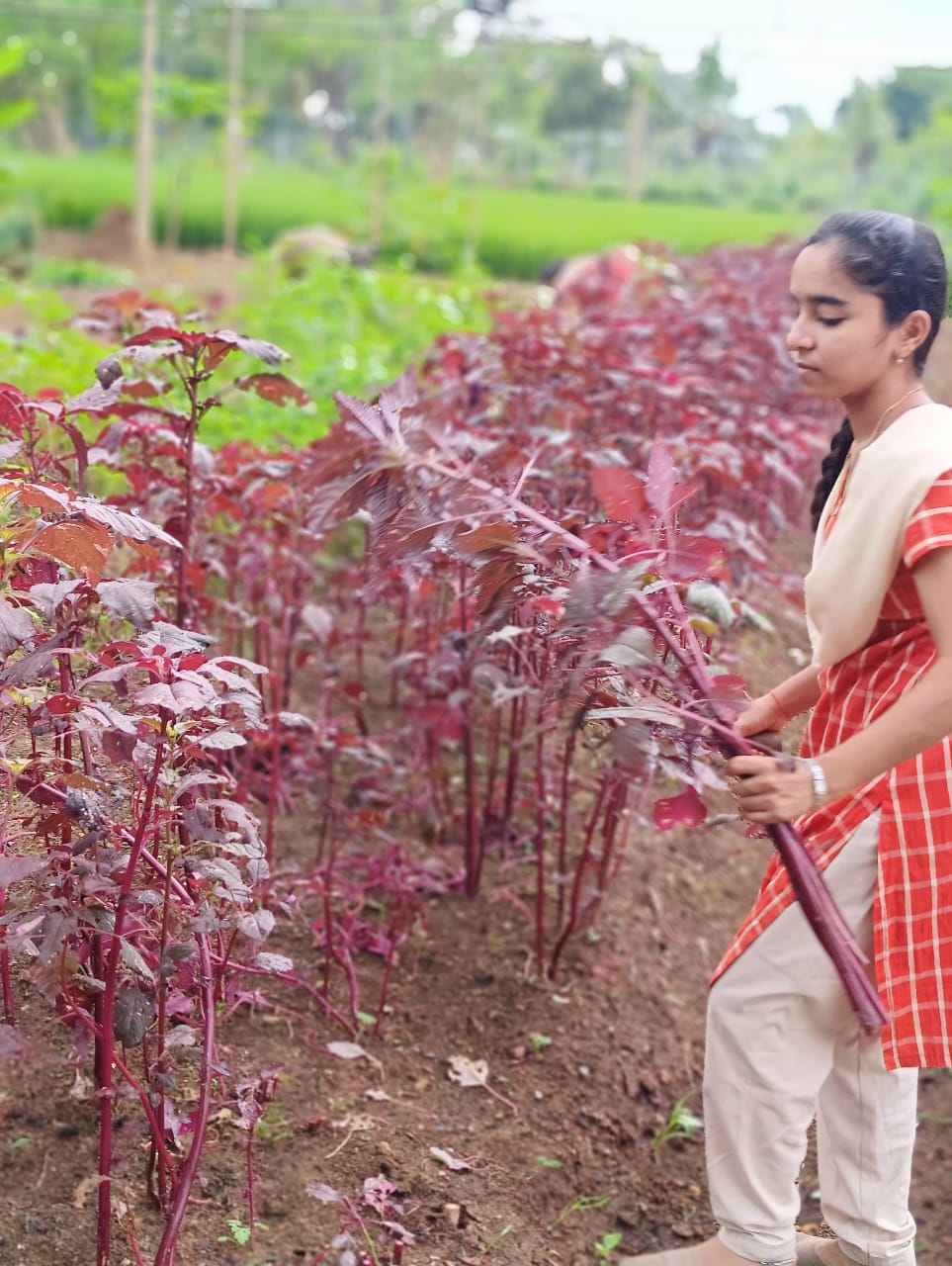
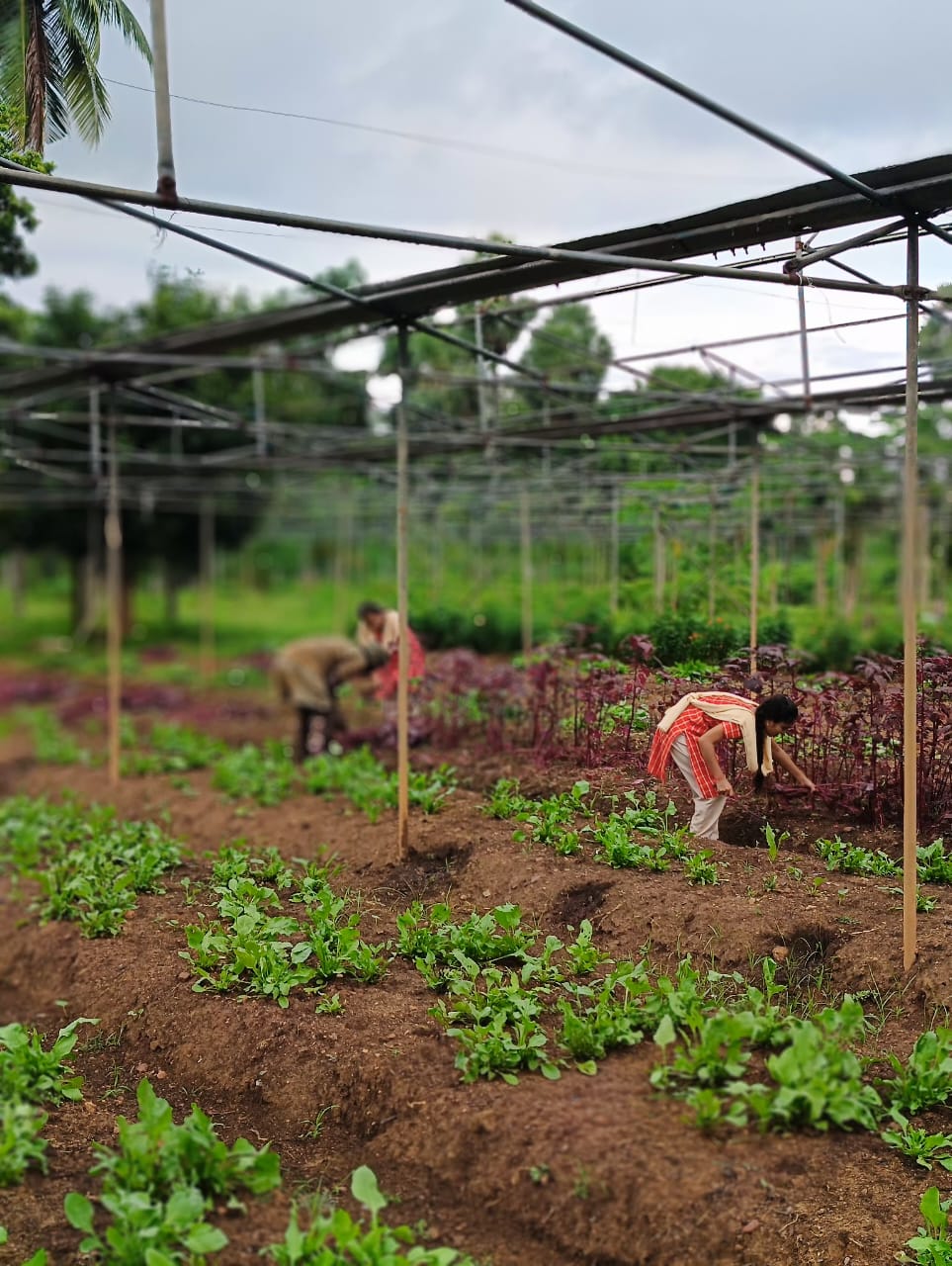
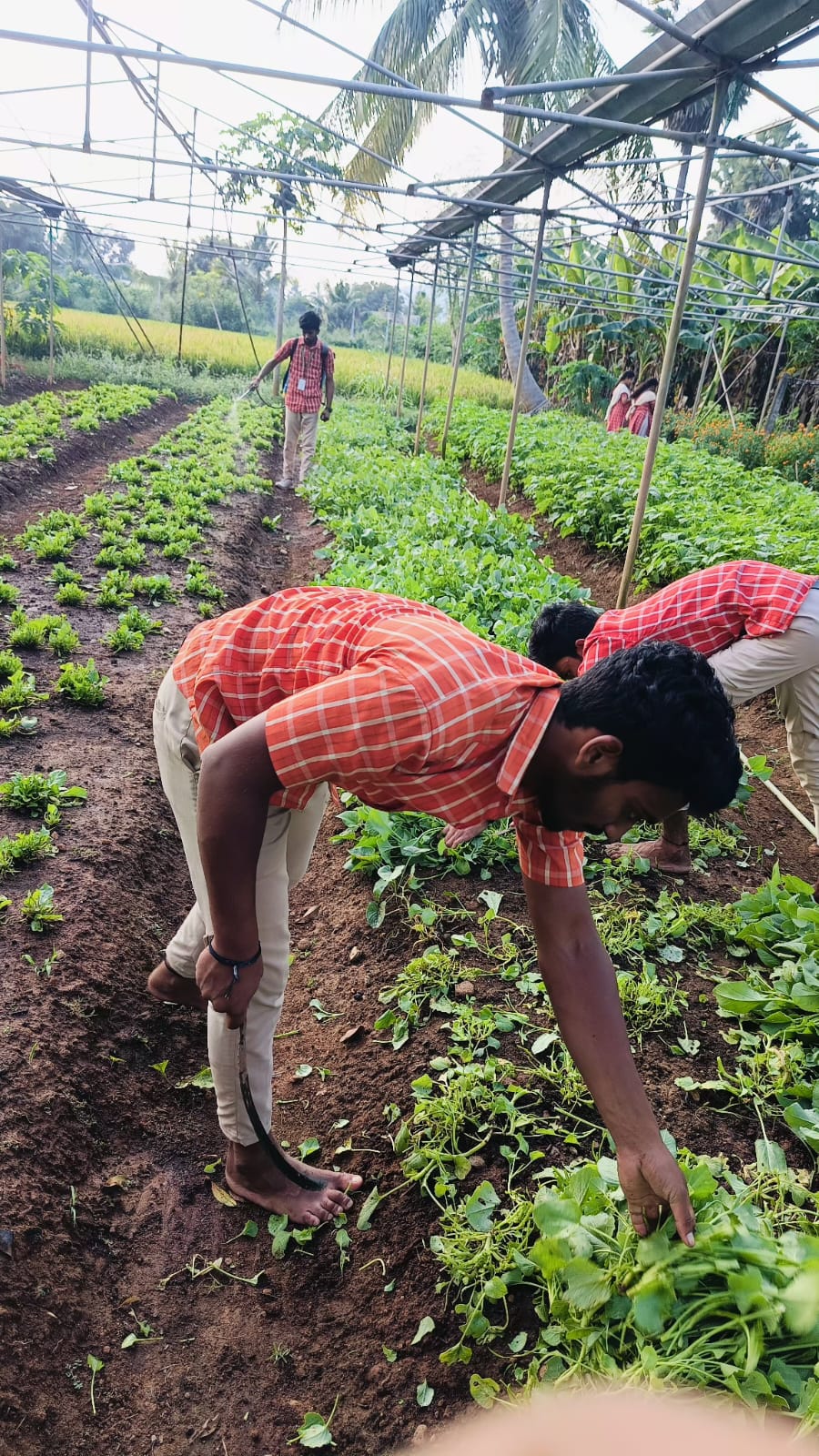
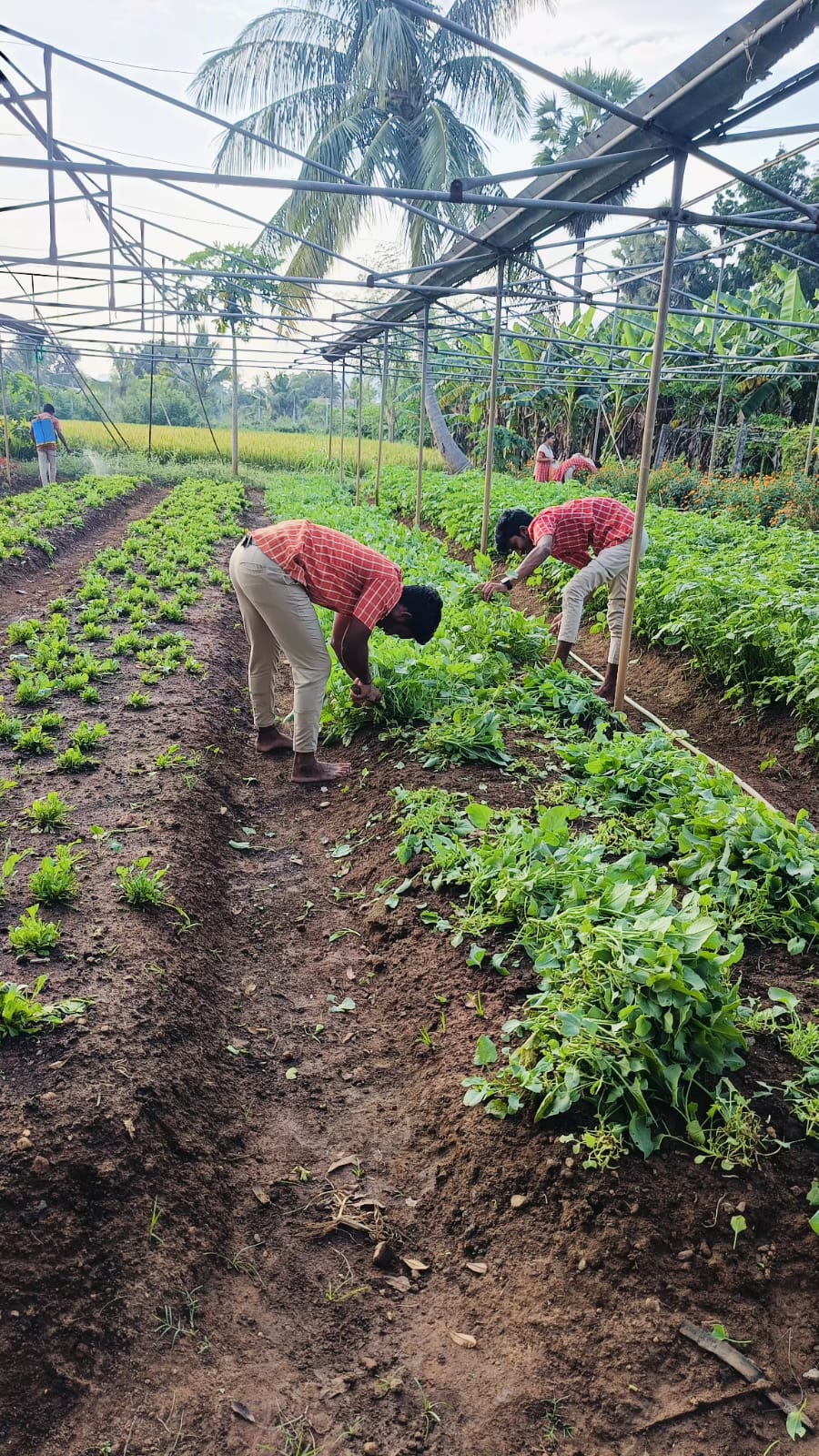
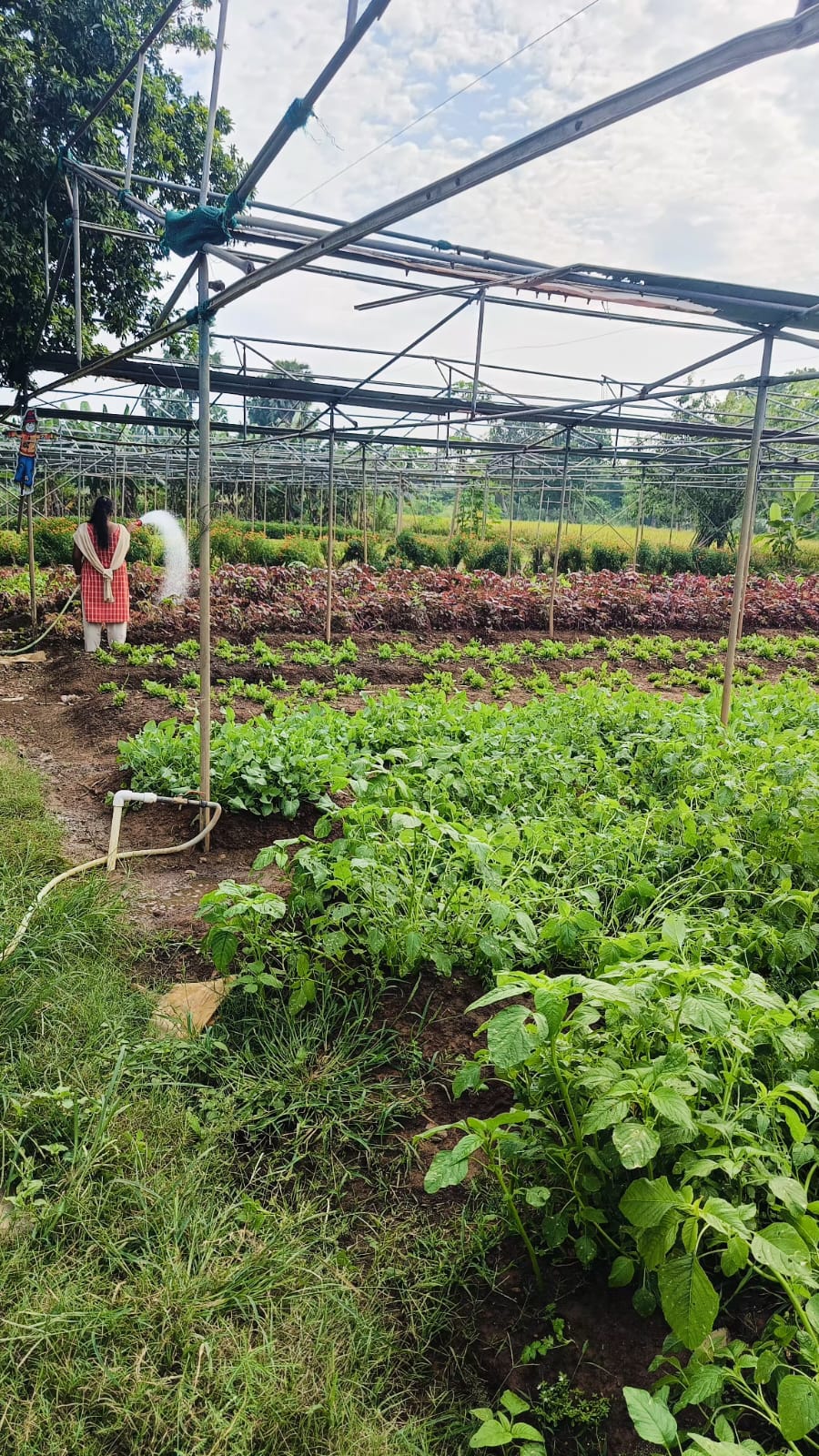
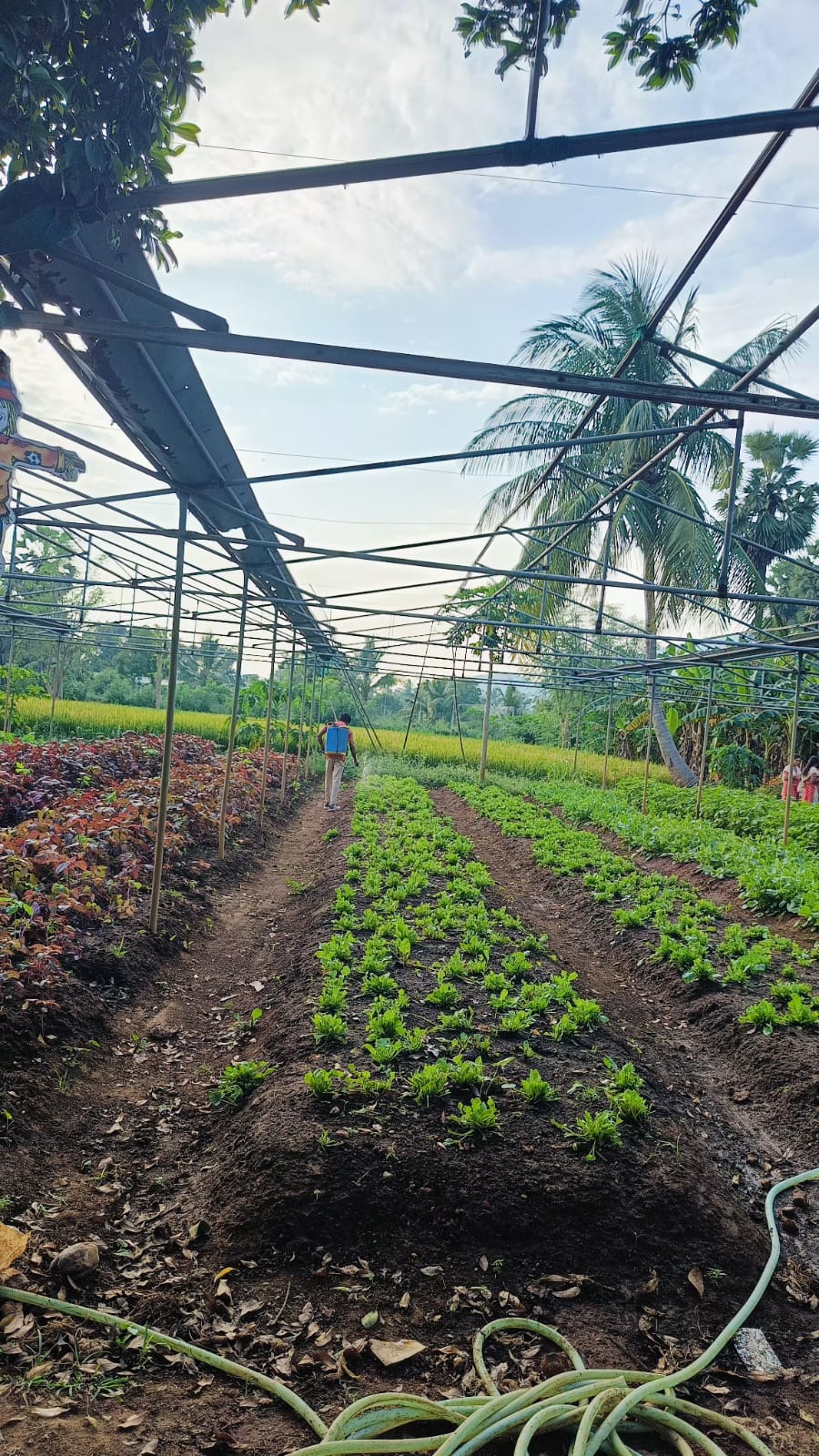
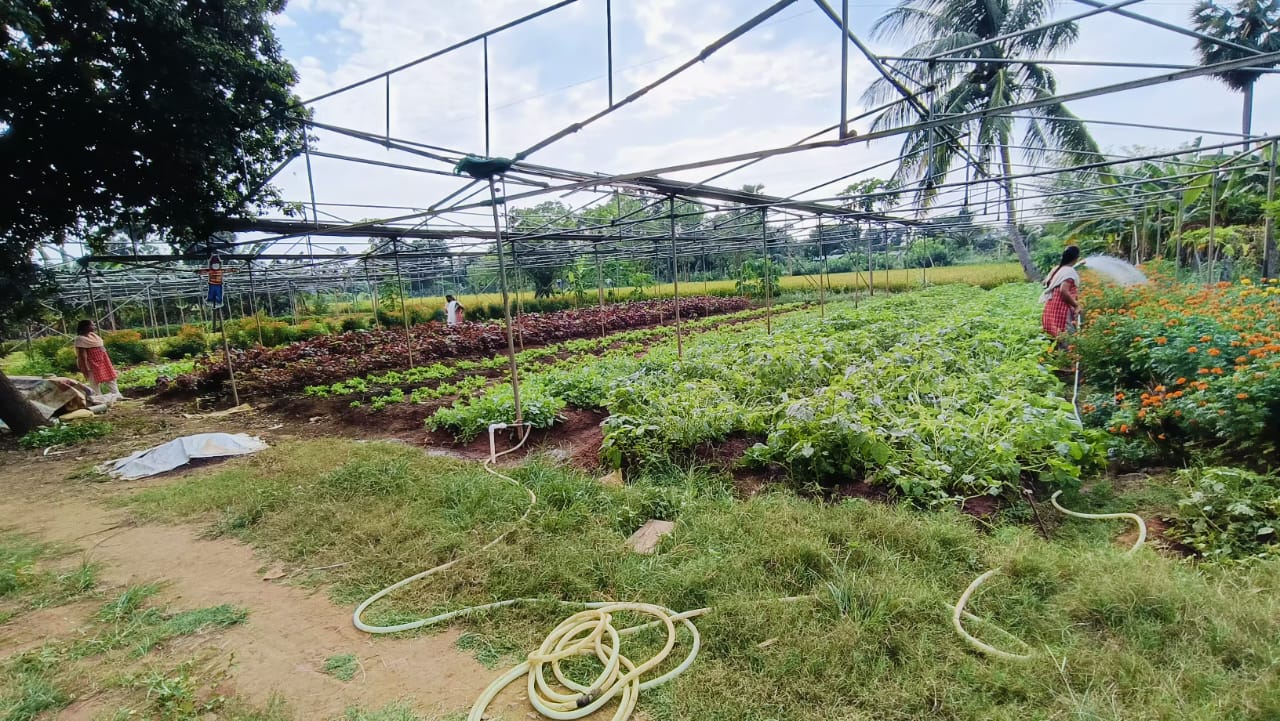
- To optimize regional land resources through balanced combinations of short-duration leafy vegetables and medium-duration vegetable crops.
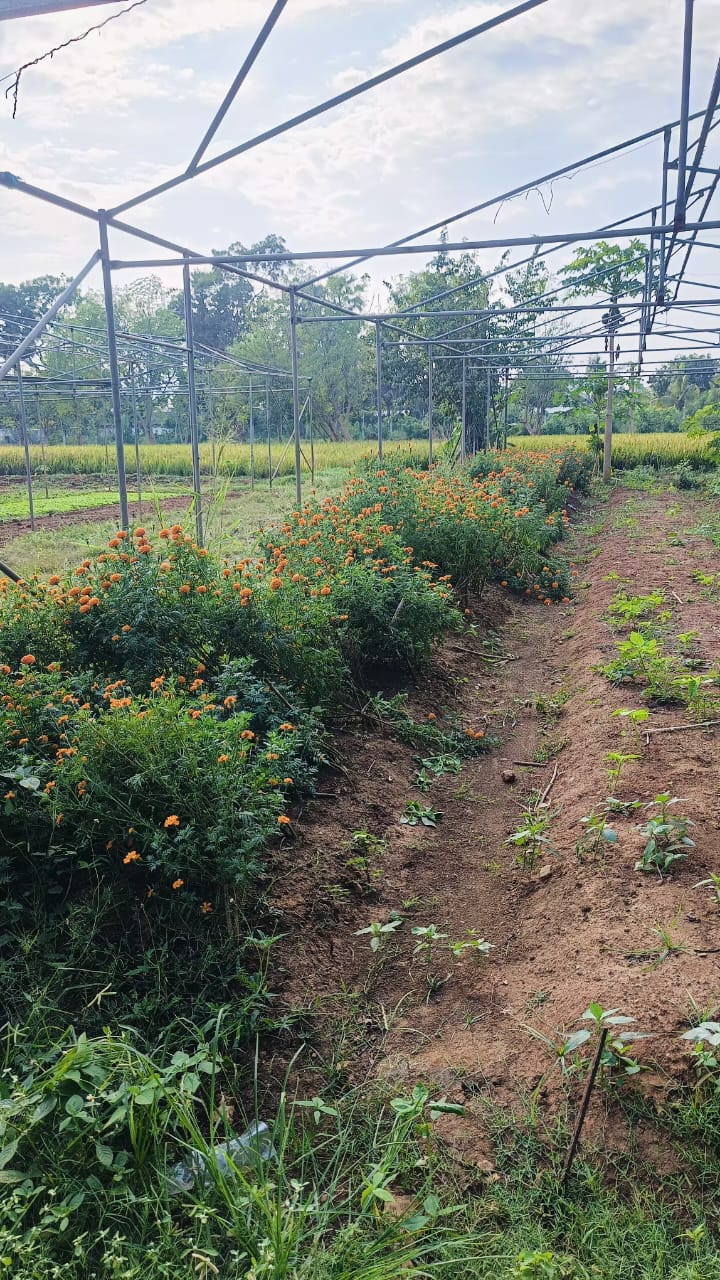
- To execute perimeter biological defense systems by introducing pest-repellent and beneficial insect crops along field boundaries.
- To formulate low-cost, high-profit operational models suitable for replication in educational modules and local community agriculture.
Core Practices
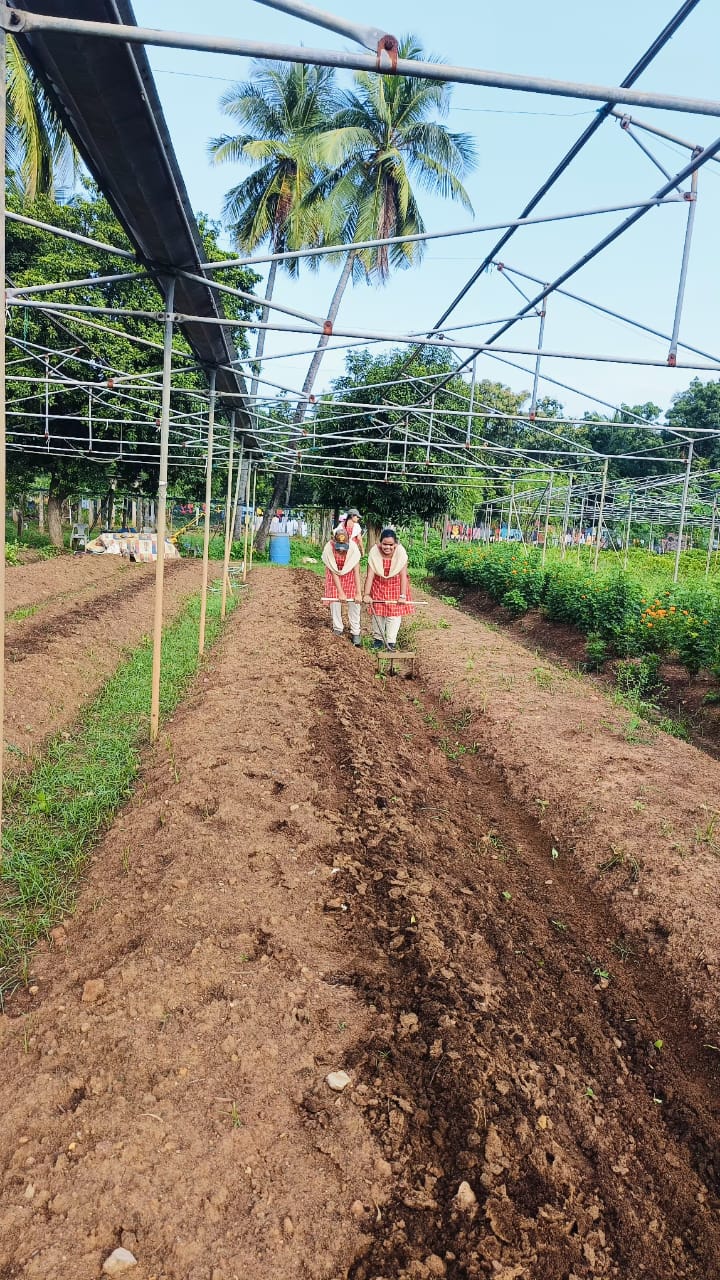
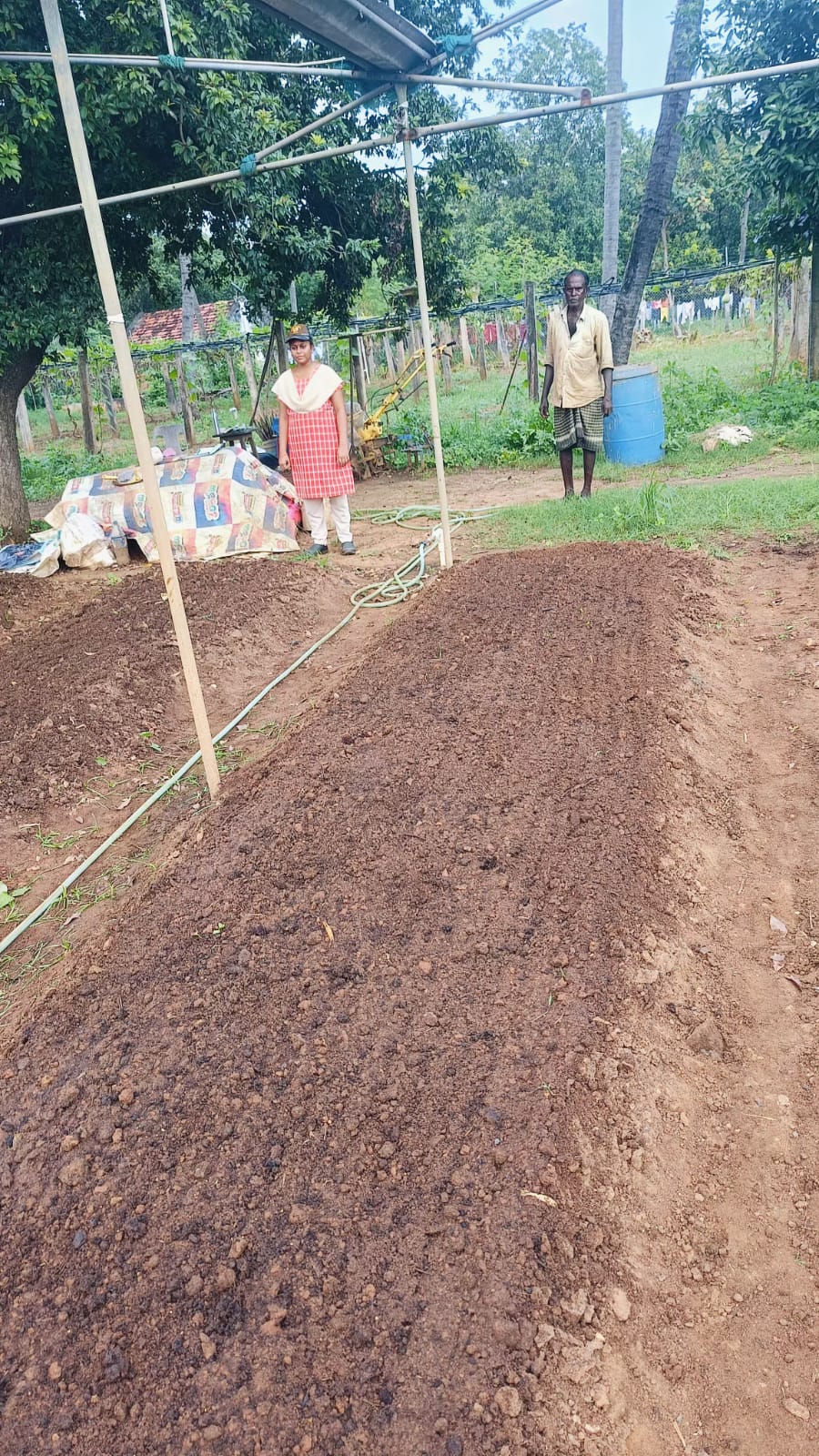
- Preparation, profiling, and elevation calibration of specialized raised field beds.
- Hygienic seed evaluation, selective sourcing, structured sowing, and germination tracking.
- Organic nutrient management utilizing specialized composting and natural soil conditioners.
- Cropping system architecture, companion crop arranging, and optimal bed asset allocation.
- Biological pest management, botanical extractions, and natural border ecological controls.
- Advanced quantitative yield estimation metrics and rigorous micro-economic feasibility analysis.
Skills Developed
- Sustainable agro-ecosystem cultivation and advanced organic soil management tracking.
- Formulation, handling, and application procedures for specialized organic inputs and composts.
- Strategic crop cycle planning, seasonal land balancing, and structured field configuration.
- Natural pathogen mitigation and biological boundary disease-control techniques.
- Scientific troubleshooting capabilities via structured soil-to-plant field observation habits.
- Operational time management, staging synchronization, and rigid agricultural work discipline.
- Basic marketing literacy, pricing strategies, and local green-economy entrepreneurial skills.
- Deepened environmental awareness, resource conservation accountability, and ecosystem responsibility.
Projected Outcomes
- Continuous, scalable institutional production of certified fresh, nutrient-dense organic vegetables.
- Measurable optimization of baseline soil microbiome fertility, organic matter ratios, and structural earth health.
- Systemic reduction in regional pathogen pressure, insect vectors, and plant disease incidence via ecological crop buffers.
- Elevated stakeholder awareness, building immediate academic and local visibility for sustainable, clean agricultural models.
GALLERY


SRI PRAKASH
Sri Prakash - one of the best educational institutes in Andhra Pradesh, empowers students with modern technology through innovative and fun Visualizations, Quizzes and interactive modules for learning. Apart from focusing on overall development, we take pride in creating an environment of excellence on our campus, so that our campus becomes a second home for our students, encouraging them to learn more and more.
Important Links
Student Corner
SPACES @ Press